
European Art and Studio Practice Program
European Art and Studio Practice Program
VENICE & PARIS ( 14 DAYS / 13 NIGHTS )
This art program is designed to offer a comprehensive exploration of European artistic practices, from historical to contemporary perspectives. Each museum visit is tailored to your interests, with the flexibility to adjust itineraries based on current exhibitions and personal preferences. By immersing yourself in diverse artistic perspectives, you’ll gain an understanding of how art reflects cultural, social, and historical transformations over time. Through thoughtfully curated visits, participants will experience the grandeur of Renaissance art, the evolution of modern movements, and contemporary art practices. This journey connects the past with the present, fostering critical thinking and creative reflection. With personalized guidance and dynamic exhibitions, this program ensures a meaningful and enriching engagement with Europe’s artistic landscape.
WHO IS THIS PROGRAM DESIGNED FOR?
This program is right for you if…
…you’re looking for more than just a classroom experience—you want to travel, create, and reflect in two of the world’s most artistically influential cities. If you’re open to collaboration, inspired by new environments, and eager to see how place shapes artistic ideas, this program offers a unique and enriching journey.
Participant profile
This tour welcomes students and recent graduates who are engaged in or curious about the fields of art, design, and visual culture. It’s suited for individuals seeking an international learning experience that combines creative practice with cultural discovery.
FOCUS AREA
This track invites participants with a passion for classical and historical perspectives to dive deep into the evolution of European art across centuries. Tailored for those with a background or strong interest in art history, museum studies, or cultural heritage, the experience includes expert-led tours of iconic collections and historical sites. It’s perfect for curators, educators, or cultural enthusiasts who want to gain a deeper contextual understanding of artworks within their original settings.
This focus area appeals to participants keen on tactile making, traditional craftsmanship, and innovative design. Whether you are a contemporary designer, applied arts student, or creative entrepreneur, you’ll explore workshops and studios that keep artisanal knowledge alive. From ceramics to textiles, this track connects you with local makers, offering hands-on insights into both heritage techniques and modern reinterpretations.
Geared towards emerging artists, curators, and contemporary thinkers, this track examines today’s critical dialogues through exhibitions, studio visits, and conversations with artists pushing boundaries. Participants will engage with themes like identity, technology, and material experimentation, making it ideal for those with a current or aspiring practice in contemporary visual culture.
This track provides access to university, academy, or artists’ studios, allowing participants to understand the behind-the-scenes dynamics of exhibition-making, collection curation, and artistic production. It suits individuals curious about the professional frameworks supporting the arts today.
PROGRAM ITINERARY
Venice, Italy
WEEK 1:
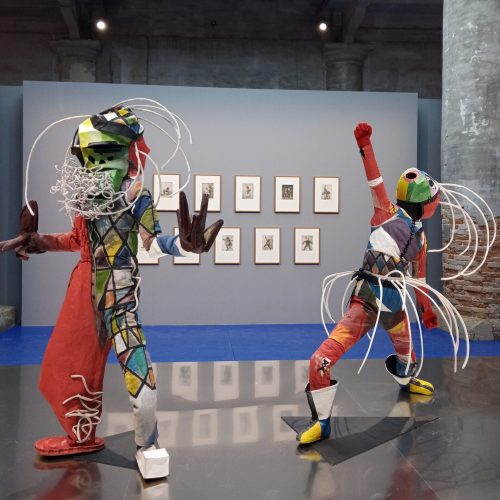
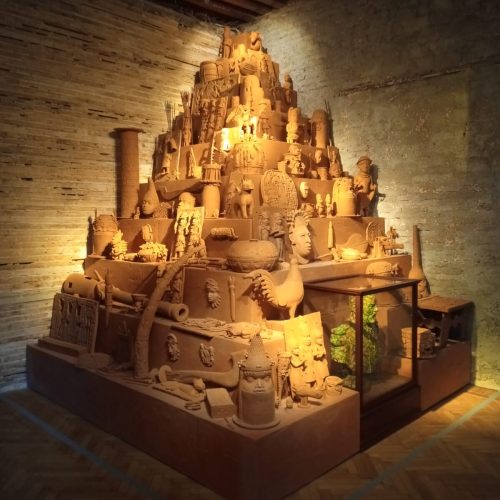
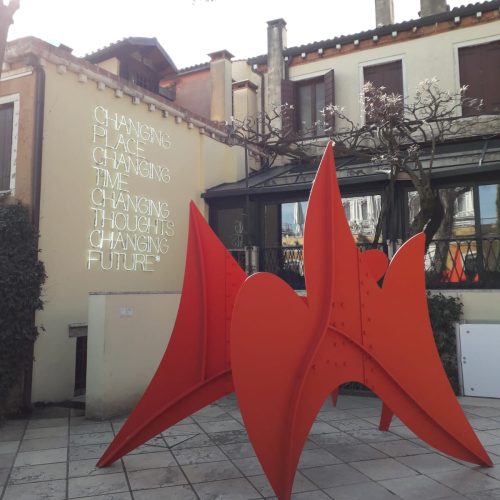
The journey begins in Venice. Participants will explore the city’s heritage, engage in workshops, and experience how traditional crafts and contemporary practices coexist. From curated tours to creative sessions and open discussions, this week is designed to foster observation, inspiration, and reflection in a truly unique setting.
The Gallerie dell’Accademia is Venice’s most renowned art museum, showcasing an extraordinary collection of Venetian paintings from the 14th to 19th centuries. It includes works by masters like Bellini, Carpaccio, Veronese, and Tintoretto. The museum offers a comprehensive journey through Venice’s artistic evolution during its golden age.
Why It’s Important:
This museum is vital for understanding how Venice shaped Renaissance art and culture. It houses Leonardo da Vinci’s “Vitruvian Man,” a symbol of humanism and scientific inquiry, making it a cornerstone for art history enthusiasts.
Exhibition:
Corpi Moderni. The Making of the Body in Renaissance Venice (April 4 – July 27, 2025). Featuring works by Leonardo da Vinci, Michelangelo, Dürer, and Giorgione, it examines the body as a cultural construct and a subject of scientific inquiry.
Located in St. Mark’s Square, Museo Correr provides insights into Venice’s civic history, art, and traditions. Its collections include paintings, sculptures, maps, and artifacts that narrate the story of the Venetian Republic’s rise and influence.
Why It’s Important:
The museum bridges art and history, offering visitors a deeper understanding of Venice’s political power, cultural achievements, and maritime dominance over centuries.
Exhibition:
The Correr by Carlo Scarpa 1953–1960 (October 23, 2025 – February 2026). This exhibit focuses on Scarpa’s architectural vision and his ability to blend form with function.
Situated on the Grand Canal in Peggy Guggenheim’s former residence, this museum displays modern masterpieces by artists such as Picasso, Pollock, Dalí, and Kandinsky. The collection spans Cubism, Surrealism, and Abstract Expressionism.
Why It’s Important:
This museum connects Venice to global modern art movements. Peggy Guggenheim was instrumental in promoting avant-garde artists during the 20th century, making her collection essential for understanding contemporary art’s evolution.
Exhibition:
Maria Helena Vieira da Silva: Anatomy of a Space (April 12 – September 15, 2025). This retrospective showcases approximately 70 works by Vieira da Silva, exploring her abstract visual language and spatial illusions.
These two venues host rotating exhibitions from the Pinault Collection. Palazzo Grassi combines neoclassical architecture with modern installations, while Punta della Dogana transforms a historic customs house into a space for cutting-edge contemporary art.
Why They’re Important:
Both museums highlight Venice’s ability to merge tradition with innovation. They symbolize how historical spaces can be repurposed to celebrate contemporary creativity.
Exhibition at Palazzo Grassi:
Tatiana Trouvé: The Strange Life of Things (April 6, 2025 – January 4, 2026).
Exhibition at Punta della Dogana:
Thomas Schütte: Genealogies (April 6 – November 23, 2025).
Located on Murano Island, this museum is dedicated to Venice’s centuries-old glassmaking tradition. It showcases stunning glass creations from ancient Roman times to modern innovations while preserving traditional techniques.
Why It’s Important:
Murano glass is synonymous with Venetian craftsmanship and luxury. The museum ensures this heritage remains alive while celebrating artisans who have perfected their craft over generations.
Burano Visit (Optional)
Burano is famous for its vibrant houses and lace-making tradition. A visit complements Murano by exploring another facet of Venetian craftsmanship—delicate lacework that has been admired worldwide for centuries.
Venice is a hub for contemporary art and studio practice. Connecting and visiting the studio will inspire you to see the evolution of different practices and mediums.
Paris, France
WEEK 2:
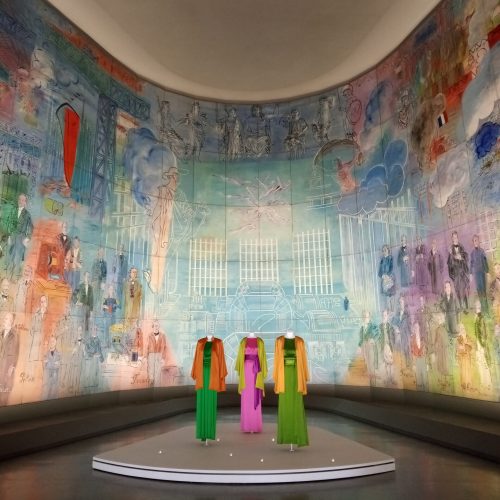
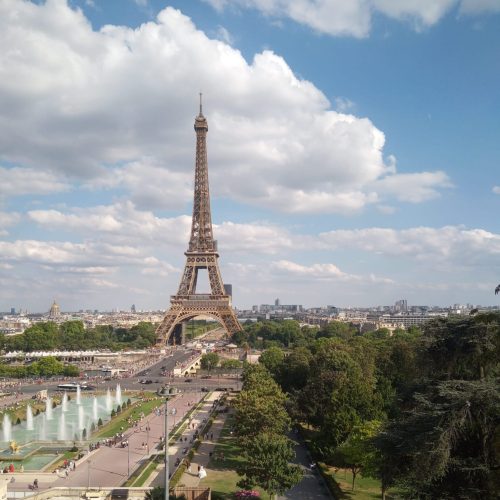
The second week moves to Paris. Participants will immerse themselves in creative environments through curated visits, studio visits, and group reflections. The program encourages critical thinking and opens up new ways of understanding art in the context of contemporary practice.
The Louvre is the world’s largest art museum and a global cultural icon. It houses masterpieces like the Mona Lisa, Venus de Milo, and countless works spanning ancient civilizations to 19th-century European art.
Why It’s Important:
The Louvre embodies universal artistic achievement across millennia. Its unparalleled collections make it essential for understanding global art history and humanity’s creative legacy.
Exhibition:
A New Look at Cimabue (January 22 – May 12, 2025). This exhibition focuses on Cimabue’s groundbreaking role in Italian painting during the late medieval period. Another ongoing exhibit is De toutes beautés! Rituals, Objects, and Representations of Beauty (until September 28, 2025), which explores beauty across cultures and eras.
This museum celebrates indigenous art from Africa, Asia, Oceania, and the Americas through immersive exhibitions that highlight cultural diversity. Its innovative design by Jean Nouvel enhances the experience with lush gardens and living walls.
Why It’s Important:
Quai Branly fosters intercultural dialogue by showcasing non-Western artistic traditions often overlooked in mainstream narratives.
Exhibition:
Golden Thread: The Art of Dressing from North Africa to the Far East (until July 6, 2025). This exhibit explores gold’s role in textile arts across cultures from antiquity to modern times.
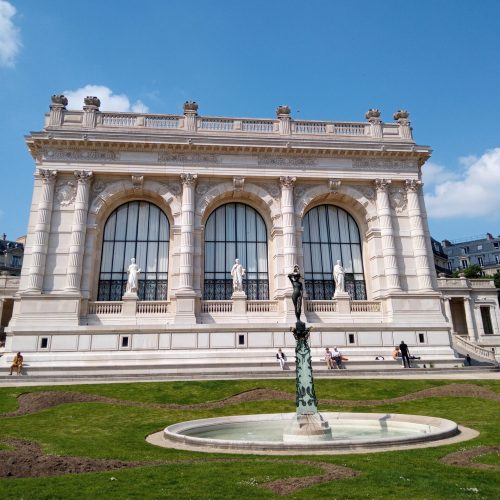
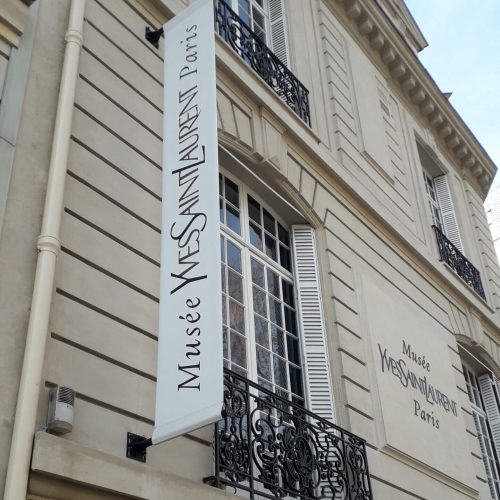
This museum honors Yves Saint Laurent’s revolutionary impact on fashion within his former couture house. It displays his iconic designs, like the “smoking” tuxedo, alongside sketches and archives that shaped modern style.
Why It’s Important:
Saint Laurent redefined women’s fashion by blending elegance with empowerment—an enduring legacy showcased beautifully here.
This museum continually displays Yves Saint Laurent’s revolutionary designs that redefined women’s fashion. Iconic pieces like his “smoking” tuxedo are always on view.
La Galerie Dior
Located at Dior’s historic atelier on Avenue Montaigne, this museum celebrates Christian Dior’s legacy through iconic designs like the Bar Suit alongside creations by his successors. A spiral staircase surrounded by Dior pieces adds to its charm.
Why It’s Important:
Dior revolutionized post-war fashion with timeless elegance that continues to influence designers globally today.
The museum offers an immersive exploration of Dior’s legacy through iconic designs like the Bar Suit alongside creations by his successors. Its permanent collection showcases Dior’s influence on haute couture since its founding in 1946.
Louis Vuitton Foundation
Designed by Frank Gehry in a striking deconstructivist style, this cultural center focuses on contemporary art exhibitions sponsored by LVMH Group. Its architecture itself is an artistic marvel worth exploring.
Exhibition:
David Hockney: Do Remember They Can’t Cancel the Spring (April 9 – August 31, 2025). This large-scale retrospective features over 400 works spanning Hockney’s seven-decade career across various media including painting, digital art, and immersive installations.
Studio Practice
Paris is also a hub for contemporary art and studio practice. Connecting and visiting the studio will inspire you to see the evolution of different practices and mediums.
Please note: Museum, exhibition, and studio visits might be subject to change depending on the final program schedule. The itinerary presented here is intended to offer a general overview of how the tour may be arranged.
Contact Us
E-mail: info@kristinatoursandevents.com – Available 24-7 / 365-day a year
Phone: +39 331 914 3927 (Italy), +62 851 5672 0866 (Indonesia)